Overview
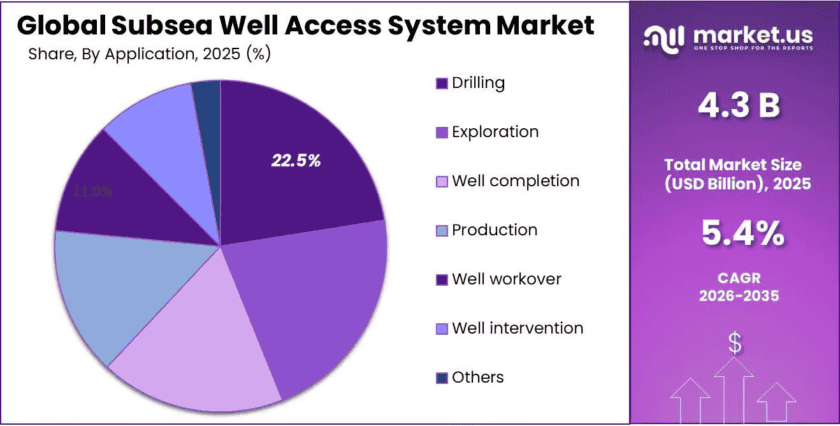
New York, NY – November 05, 2026 – The Subsea Well Access System Market supports offshore oil and gas operations by providing safe and controlled access to underwater wells for drilling, completion, maintenance, and intervention. These systems connect offshore equipment with subsea wellheads and help operators manage pressure, protect well integrity, and perform essential operations in challenging marine environments. Key components include blowout preventers (BOPs), risers, landing strings, control systems, and well access equipment.
Growing offshore exploration, deepwater development, and the need to maintain existing subsea assets are supporting demand. Operators are increasingly focused on equipment that reduces downtime, improves safety, and allows well intervention without relying on traditional drilling rigs for every operation. At the same time, high deployment costs, technical complexity, harsh marine conditions, and strict safety requirements remain important challenges.
Government agencies such as the Bureau of Safety and Environmental Enforcement (BSEE) and the Bureau of Ocean Energy Management (BOEM) oversee offshore safety and development in the United States. Their regulations and project approvals influence equipment design, operational procedures, and investment decisions. As offshore projects move into deeper waters and mature fields require maintenance, subsea well access systems remain an important part of reliable offshore energy production.
Key Takeaways
- Market value: USD 3.9 billion in 2024, projected to reach USD 6.3 billion by 2034, at a 4.9% CAGR from 2025 to 2034.
- Leading type: Rig-based systems accounted for 62.4% of the market in 2024.
- Leading product: Ram BOP held 59.8% share in 2024, supported by pressure-control requirements.
- Leading location: Deepwater accounted for 43.5% in 2024 as offshore development expanded into deeper waters.
- Leading region: North America captured 34.9%, with revenue of approximately USD 1.3 billion in 2024.
Regional Analysis
North America held the leading position in the Subsea Well Access System Market in 2024, accounting for 34.9% and generating approximately USD 1.3 billion in revenue. The region benefits from established offshore oil and gas operations in the Gulf of Mexico, strong technical capabilities, and a regulatory framework that emphasizes well integrity and operational safety.
The United States continues to support offshore development through BOEM lease management and BSEE oversight. Offshore projects require well access equipment for drilling, completion, maintenance, and intervention, creating consistent demand across the subsea asset lifecycle. The region’s mature offshore supply chain, experienced service providers, and continued investment in deepwater projects further support its position.
Europe remains an important market, supported by offshore activity in the North Sea and the development and maintenance of subsea fields. The United Kingdom and Norway have established offshore infrastructure and technical expertise, while operators are increasingly focused on extending the productive life of existing assets.
Asia-Pacific is supported by offshore development in countries such as Australia, China, and Indonesia. The Middle East and Latin America also offer opportunities through offshore exploration and production projects, including deepwater activity offshore Brazil. Across regions, demand is shaped by offshore investment, field maturity, safety regulations, and the need for reliable well access technologies.
Market Dynamics
Driver: Rising Offshore Exploration and Production
Offshore exploration and production activity drives demand for subsea well access systems because operators need reliable equipment to drill, complete, and maintain wells below the sea surface. BOEM reports that the United States had 2,227 active offshore oil and gas leases covering approximately 12.1 million acres as of April 2025.
Offshore production and continuing field development require systems that manage pressure and provide safe access to subsea wells. As operators develop deepwater assets and seek to improve output from existing fields, well access equipment becomes essential for intervention, workover, and production maintenance. These activities support demand for robust, dependable systems designed for challenging offshore conditions.
Trend: Greater Use of Rig-Less and Vessel-Based Operations
Operators are increasingly considering vessel-based and rig-less well access approaches to perform selected subsea interventions without deploying a full drilling rig. This approach can improve operational flexibility and help manage the cost of offshore maintenance.
The U.S. Bureau of Ocean Energy Management has examined subsea well decommissioning and intervention practices, highlighting the importance of vessel capability, intervention frequency, and technical requirements. These systems require dependable pressure control, risers, and well access equipment. As offshore operators seek to reduce intervention time and improve asset utilization, more flexible access solutions are receiving attention, particularly for maintenance and lighter intervention tasks.
Restraint: High Intervention Costs and Technical Complexity
Subsea well intervention can be costly because operations require specialized vessels or mobile offshore drilling units, skilled personnel, and equipment capable of working under high pressure and in harsh marine conditions. A BOEM study on Gulf of Mexico decommissioning explains that subsea wells are more complex and expensive to intervene in than many surface wells. Weather, water depth, equipment mobilization, and limited operating windows can increase costs and delay work.
These factors may lead operators to postpone non-essential maintenance or production-improvement activities when expected returns are uncertain. High capital requirements therefore remain a major restraint for wider system deployment.
Opportunity: Life Extension and Decommissioning of Offshore Assets
The growing need to maintain, repair, and eventually decommission offshore wells creates opportunities for well access system providers. Mature subsea fields require interventions to preserve well integrity and support production, while aging infrastructure needs safe closure planning.
BOEM’s offshore decommissioning studies identify intervention methods and vessel-based operations as important parts of subsea well lifecycle management. Equipment providers can develop modular systems, improved pressure-control technology, and solutions that simplify installation and retrieval. These capabilities can help operators manage complex offshore work more efficiently and support demand for well access systems during maintenance, late-life operations, and well abandonment.
Emerging Trends
1. Rig-Less and Vessel-Based Well Access
Vessel-based access systems are gaining attention for selected intervention activities that do not require a full drilling rig. They offer operational flexibility and may reduce mobilization requirements. BOEM technical studies assess vessel-based intervention methods as part of offshore well lifecycle planning.
2. Advanced Pressure-Control Equipment
Reliable pressure control is central to subsea well operations. Ram and annular blowout preventers, valves, and control systems are being designed to support safe operations under demanding pressure conditions. BSEE’s offshore regulations require operators to meet established well-control and safety standards.
3. Deepwater and Ultra-Deepwater Capability
Offshore development is increasingly focused on technically challenging locations. Deepwater projects represented 43.5% of the market in 2024, according to the referenced market report. Greater water depth increases requirements for reliable equipment, remote operation, and specialized intervention planning.
4. Digital Monitoring and System Integration
Operators are integrating sensors, control systems, and monitoring technologies to improve visibility into subsea operations. Digital monitoring can support faster identification of equipment issues and more informed intervention decisions. BSEE’s well-control and safety framework makes equipment reliability and monitoring important operational priorities.
5. Well Life Extension and Decommissioning
As offshore fields mature, operators need systems for maintenance, intervention, and safe closure. BOEM studies on Gulf of Mexico decommissioning examine intervention frequency, vessel requirements, and the costs of subsea well operations. This creates demand for flexible equipment that can serve multiple lifecycle stages.
Use Cases
1. Offshore Well Completion
Subsea well access systems support completion operations by providing controlled access to the well and connecting surface equipment with subsea components. They help operators install and test well equipment while maintaining pressure control. These systems are important in offshore projects regulated by BSEE, where well integrity and safe operations are key requirements.
2. Well Intervention and Maintenance
Operators use well access systems to perform maintenance, repair, and selected intervention work on producing subsea wells. BOEM studies note that subsea intervention often requires specialized vessels or mobile offshore drilling units. Reliable access equipment can help operators maintain well integrity and reduce unnecessary production interruptions.
3. Pressure Control During Well Operations
Blowout preventers and related equipment provide pressure-control functions during drilling and intervention. Ram BOPs represented 59.8% of the market in 2024, according to the referenced report. Their use supports well-control operations where pressure containment and emergency shut-in capability are essential.
4. Deepwater Field Development
Deepwater operators rely on well access systems to carry out drilling, completion, and maintenance activities in remote offshore locations. Deepwater accounted for 43.5% of the market in 2024, as stated in the report. These operations require robust equipment and carefully planned logistics due to water depth and environmental conditions.
5. Well Abandonment and Decommissioning
Well access systems support operations needed to safely isolate, plug, and abandon subsea wells. BOEM’s Gulf of Mexico decommissioning research discusses intervention methods and the equipment and vessels needed for subsea well operations. Providers can support operators with equipment designed for controlled access and safe well closure.
Frequently Asked Questions
What is a subsea well access system?
A subsea well access system is a group of specialized tools and equipment used to reach and operate wells located beneath the seabed. It supports drilling, completion, maintenance, intervention, and well abandonment while helping maintain pressure control and operational safety.
What are the main types of subsea well access systems?
The main types are rig-based and vessel-based systems. Rig-based systems operate with offshore drilling rigs, while vessel-based systems use intervention vessels for selected well operations. The choice depends on water depth, well conditions, intervention needs, and project cost.
What is the role of a BOP in subsea well access?
A blowout preventer (BOP) is a safety device designed to control well pressure and prevent uncontrolled flow. Ram and annular BOPs provide different sealing functions. They are important during drilling, completion, and intervention operations.
Why is deepwater development important to this market?
Deepwater development requires specialized equipment that can operate under high pressure and challenging marine conditions. It accounted for 43.5% of the market in 2024, according to the report. Demand is supported by offshore field development and well maintenance.
What factors limit subsea well access system adoption?
High equipment costs, complex installation, vessel mobilization, harsh marine conditions, and strict safety requirements can limit adoption. Subsea intervention may also require long planning periods and favorable weather windows, increasing operating costs and delaying maintenance activities.
Conclusion
The Subsea Well Access System Market remains closely linked to offshore exploration, production, maintenance, and well lifecycle management. Growing deepwater activity and the need to maintain existing subsea assets support demand for reliable pressure-control and access equipment. Rig-based systems and Ram BOPs held leading positions in 2024, while deepwater operations remained an important application area.
North America maintained regional leadership, supported by established offshore infrastructure and active Gulf of Mexico operations. However, high intervention costs, technical complexity, and harsh marine conditions continue to challenge adoption. Future opportunities are expected from vessel-based access, digital monitoring, improved pressure-control technologies, and offshore well decommissioning.
Discuss your needs with our analyst
Please share your requirements with more details so our analyst can check if they can solve your problem(s)