- Modern scheduling architectures integrate real-time online booking engines, cloud-based point-of-sale systems, and automated customer engagement modules to reduce administrative overhead.
- Sophisticated logic engines actively prevent calendar overbooking by simultaneously analyzing staff availability and finite physical resources like specialized treatment rooms.
- Operational tools protect business margins through non-refundable upfront deposits, card-on-file tokenization, and automated waitlist triggers that fill sudden cancellation gaps.
- Business owners expand their local visibility using the Booksy Biz software marketplace to capture organic consumer traffic and streamline multi-chair booking workflows.
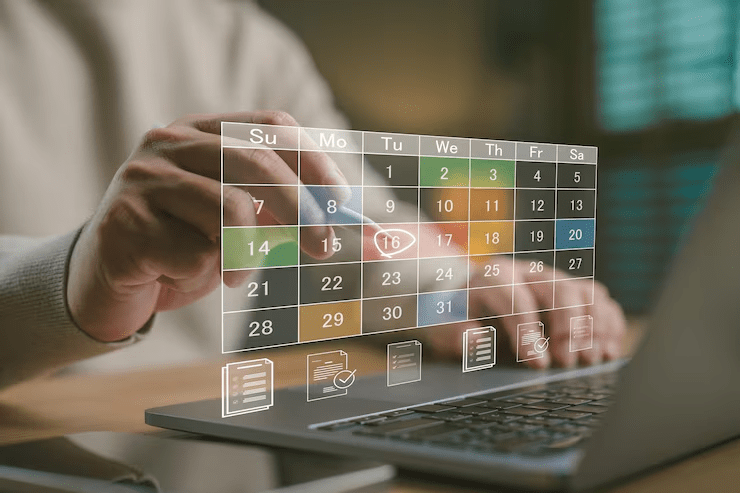
Appointment scheduling software forms the primary infrastructure for modern US salons and barbershops. Cloud-based software-as-a-service platforms integrate real-time online booking engines, point-of-sale systems, and automated customer relationship management tools. In this guide, you will learn how these mobile-first applications reduce front-desk overhead, enforce automated no-show protections, and optimize calendar utilization. Selecting the correct digital platform protects provider revenue and eliminates administrative friction.
What is Salon and Barbershop Appointment Scheduling Software?
Salon and barbershop appointment scheduling software is a cloud-based software-as-a-service platform that serves as the central operating system for personal care businesses. It replaces traditional paper logs by integrating real-time online booking engines, point-of-sale systems, and automated customer relationship management tools into a unified, mobile-first operational workspace.
The Core Booking Engine
Modern scheduling architectures manage time, staff, and physical business assets simultaneously. The core calendar engine updates instantly across client-facing applications and back-end business dashboards. This real-time synchronization prevents double-bookings and eliminates manual administrative errors.
Advanced platforms implement strict resource allocation logic rules within their calendars. A client cannot finalize a digital booking unless the specific service provider and the required treatment room are available at that exact time. This automation ensures optimal workforce utilization without scheduling conflicts.
Unified Business Operations
These platforms merge front-desk scheduling directly with point-of-sale hardware and financial processing. Secure card vaulting encrypts customer credit card details for seamless one-touch checkouts. This integration permits immediate tipping distribution and manages complex independent booth renter payout structures.
Automated client engagement systems handle routine communication without front-desk intervention. The software dispatches automated text reminders and email notifications for confirmations, waitlist updates, and post-service feedback. Unified customer profiles store vital historical data, including past service histories and specific color formulas.
Consumer Marketplace Discovery
The industry has decisively shifted away from isolated digital calendars toward public-facing booking networks. Top-tier business management tools actively maintain consumer-facing directories alongside their back-end infrastructure. These public platforms list the business inside a searchable map to drive local customer acquisition.
Salons and barbershops leverage these open networks to capture organic consumer traffic. Utilizing the Booksy Biz software allows service providers to manage their internal multi-chair schedules while remaining highly visible to new local clients. This marketplace integration connects standard business operations directly with automated growth channels.
Understanding Market Segmentation: Which Software Archetype Fits Your Business?
The ideal salon scheduling application depends entirely on your operational structure, staffing model, and growth objectives. Market options range from mobile-first calendar apps tailored for independent booth renters to highly scalable, feature-dense enterprise architectures built to unify data across multi-location franchise brands.
Solo Independent Operators and Booth Renters
Independent beauty professionals require lightweight, mobile-first applications that emphasize rapid checkout and low overhead. These self-employed contractors manage their own schedules, taxes, and client files independently from the host shop. Software tailored for this segment focuses on minimizing administrative friction through simple booking pages and mobile card-reader attachments.
Small-to-Medium Multi-Chair Establishments
Commission-based storefronts and multi-chair rental operations require centralized platforms with multi-employee scheduling capabilities. Business owners in this segment need to manage individual staff access permissions and baseline retail inventory tracking. The software must also handle split payment processing to route service fees and retail cuts accurately.
Scaling and Multi-Location Brands
High-growth salon network operations and enterprise wellness chains require robust cloud databases capable of syncing data across multiple branches. These platforms track cross-location customer loyalty points and manage bulk product orders seamlessly. Advanced corporate dashboards monitor regional labor utilization and output deep business analytics in real time.
Barbershop-Specific Operations
Modern barbershops place a high premium on fast-paced walk-in workflows and high-frequency booking turnarounds. These businesses require digital waitlist interfaces, such as walk-in kiosk workflows deployed on in-shop tablets. The system must coordinate real-time virtual queues and handle complex independent barber payout structures efficiently.
What Baseline Features Are Needed in Salon Scheduling Software?
Five non-negotiable core features define a viable salon scheduling platform: a 24/7 client-facing online booking portal, automated multi-stage reminders, an interactive color-coded calendar, a built-in customer relationship management directory, and integrated payment processing. These baseline tools eliminate manual coordination and protect baseline revenue.
Client-Facing Portals and Automated Reminders
A real-time 24/7 online booking portal shifts scheduling control directly to the client. This self-service infrastructure captures valuable client appointments outside of standard operational hours. The system then dispatches automated text and email notifications to handle confirmations, multi-day reminders, and cancellation alerts.
Interactive Calendars and Customer Directories
Visual, color-coded interactive dashboards provide immediate schedule visibility across web and mobile interfaces. Staff members track their daily appointment flows, while management monitors overall shop utilization. Connected customer relationship management directories house critical client profiles containing contact info, notes, and past service histories.
Integrated Financial Processing
Modern platforms merge the digital booking record directly with point-of-sale capabilities. Integrated payment processing facilitates immediate in-app checkouts and front-desk terminal transactions. This financial framework secures client cards safely within a PCI-compliant payment gateway to allow seamless billing.
Core Functional Modules That Drive Business Growth
Advanced functional modules transform basic digital calendars into comprehensive business operating systems. Real-time resource allocation logic prevents overbooking physical assets, integrated point-of-sale tools streamline financial tracking, and automated inventory systems track professional backbar supplies and retail items to maximize profit margins.
Real-Time Resource Allocation Logic
Advanced calendar engines manage complex scheduling dependencies between personnel and physical business assets. The software applies logic rules that prevent a booking from processing unless both the stylist and the specific treatment room are vacant. This automated safeguard optimizes spatial efficiency and eliminates scheduling bottlenecks.
Integrated POS and Financial Automation
Point-of-sale modules merge booking records directly with terminal payment hardware. Secure card-on-file vaulting encrypts customer credit card details for rapid, one-touch post-service checkouts. The system automatically calculates and distributes tips, including complex splits between commission stylists and the house accounts.
Real-Time Stock Tracking and Inventory Control
High-volume hair salons require real-time stock tracking that automatically decrements retail items and professional backbar products during checkout. The software issues automated low-stock alerts when inventory falls below pre-set minimum thresholds. Barcode scanning compatibility via mobile device cameras accelerates routine, physical inventory counts.
Detailed profitability reports contrast product acquisition costs directly against retail revenue margins. This transparency helps owners identify top-performing retail lines and minimize capital tied up in slow-moving stock. Automated purchase-order generation simplifies restocking workflows with major product distributors.

How Do Salon Booking Systems Prevent Empty Slots and Last-Minute Cancellations?
Salon booking software secures revenue and minimizes empty calendar slots through strict revenue protection frameworks. Enforcing card-on-file tokenization allows businesses to collect automated cancellation penalties, while mandatory upfront deposits filter out uncommitted clients and automated waitlists instantly fill unexpected scheduling gaps.
Enforceable Revenue Protection Frameworks
Modern platforms replace the unreliable honor system with automated, enforceable cancellation policies. The digital booking flow requires clients to save an encrypted payment method before confirming their appointment time. This infrastructure empowers business owners to protect their staff from lost wages caused by sudden schedule changes.
Card Tokenization and Deposit Collection
Card-on-file tokenization stores client card details securely within an encrypted payment gateway. If a client fails to appear, the salon automatically charges a customized no-show penalty fee. For high-value or time-intensive services, systems require upfront partial deposits or full pre-payments to ensure client commitment.
Automated Waitlist Replacements
Automated waitlist modules instantly optimize calendars when last-minute cancellations occur. The software identifies waiting clients and sends automated text alerts containing the newly opened appointment slot. The first client to respond confirms the booking, ensuring the service provider maintains full productivity.
Operational Deep Dive: Booth Rental vs. Commission-Based Workflows
Booth rental software and commission-based salon systems utilize entirely different financial and data architectures. Rental platforms isolate client data and payment processing for independent contractors, whereas commission software centralizes all revenue, customer books, and tiered permissions under a single main house account.
Data Isolation vs. Centralized Management
Booth rental software treats every individual stylist as an entirely separate business entity. The platform maintains isolated client books, independent payment processing channels, and confidential service notes for each booth renter. This structure protects the contractor’s private data if they choose to relocate their business.
Commission salon software utilizes a centralized business account where all service revenue flows directly to the house. The platform provides multi-tiered payroll modules to calculate split commissions based on tier performance. Salon owners manage shared customer books and assign tiered access permissions to their employees.
Behind-the-Scenes Payment Splitting
Multi-chair barbershops and rental storefronts rely on multi-merchant account configurations behind a single payment terminal. When a customer checks out, the software automatically parses the total transaction amount based on pre-set rules. The software routes the service fee to the booth renter’s bank account instantly.
Any retail product sales or booth-rent cuts are separated during that same single transaction. The system directs those specific funds straight to the shop owner’s corporate account. This automated financial splitting eliminates manual accounting errors and simplifies end-of-day bank reconciliations.
Industry Ecosystem Trends: The Shift to Marketplaces and Mobile-First Environments
The personal care industry has shifted toward public-facing consumer marketplaces and native, mobile-first operational environments. Modern platforms combine back-end business administration with public directories that drive client discovery, while fully functional mobile apps allow operators to run entire storefronts directly from smartphones.
Consumer Marketplace Integration
Legacy salon software relied entirely on private, isolated booking links distributed by the business owner. Modern platforms actively maintain public-facing consumer directories that aggregate local service businesses. These marketplaces list salons and barbershops inside searchable, map-based public indexes.
Everyday consumers use these integrated apps to discover, compare, and book open appointments based on proximity and real-time review scores. This infrastructure transforms standard business software into an organic customer acquisition engine. Salons gain continuous exposure to local consumer traffic without executing complex digital marketing campaigns.
Mobile-First Operational Environments
The personal care sector has decisively moved away from stationary, desktop-bound front desks. Service providers and customers expect native, fully functional applications on both iOS and Android devices. Stylists manage calendars, review technical color formulas, and process mobile payments directly from the floor.
How Do Enterprise Salon Networks Handle Multi-Location Scheduling?
Enterprise salon networks utilize unified cloud databases and centralized administrative dashboards to manage scale. These systems sync customer history, gift cards, and loyalty points across all physical branches instantly, while corporate-level tools monitor network-wide labor utilization and facilitate centralized call-center booking.
Unified Cloud Databases
Massive salon chains and multi-location franchises require unified cloud architectures to maintain data consistency. The database synchronizes historical color formulas, client profiles, and active gift cards across every physical branch. A customer receives a seamless, identical experience regardless of which regional location they visit.
Corporate and Regional Dashboards
Corporate management teams monitor network health using high-level regional dashboards. These interfaces track labor utilization rates, individual branch revenue performance, and financial data in real time. Unified reporting allows enterprise executives to identify operational inefficiencies and adjust staffing models quickly.
Centralized Call-Center Booking Tools
Centralized scheduling modules empower dedicated customer service teams to manage bookings for entire regions. Inbound call centers view real-time availability across multiple physical storefronts simultaneously. Staff members route clients to sister locations during peak periods, maximizing overall network booking capacity.
Conclusion
Selecting the right appointment scheduling software protects provider revenue, eliminates administrative friction, and creates a seamless booking experience. Matching your platform choice to your specific business model ensures long-term operational efficiency and sustainable growth within the highly competitive modern personal care ecosystem.
Selecting the Optimal Platform
Aligning your digital infrastructure with your staffing model remains critical for business success. Independent booth renters thrive on lightweight, mobile-first checkout applications that reduce personal overhead. Multi-chair commission salons and enterprise networks require robust architectures featuring deep inventory tracking, payroll modules, and multi-location database synchronization.
Future-Proofing Your Business
Embracing automated revenue protections and marketplace discovery engines positions your business for long-term profitability. Secure card vaulting, upfront deposit collection, and automated waitlists completely eliminate the financial damage caused by short-notice cancellations. Modern scheduling software serves as the vital foundation for a scalable, efficient personal care business.
FAQ
A viable platform requires a 24/7 online booking portal, automated text reminders, an interactive color calendar, a basic customer directory, and integrated payment processing hardware. These interconnected components manage routine scheduling tasks and front-desk checkouts automatically.
The software enforces card-on-file tokenization to collect penalty fees if a client fails to appear for a scheduled slot. Businesses also reduce gaps by requiring upfront deposits and triggering automated waitlists when unexpected cancellations occur.
Booth rental platforms isolate distinct schedules, data profiles, and personal financial accounts for individual independent contractors. Commission salon architectures centralize all customer profiles, software permissions, and transaction histories under one primary corporate house account.
The financial system utilizes multi-merchant routing configurations embedded behind a single point-of-sale checkout dashboard. When a client pays, the platform automatically separates individual service fees from retail item revenue and deposits the funds into distinct bank accounts.
The business operating system must provide real-time deduction tracking for retail items and professional backbar color supplies at checkout. Successful infrastructure depends on automated low-stock notifications, barcode scanning camera integrations, and margin profitability reporting.