Market Overview
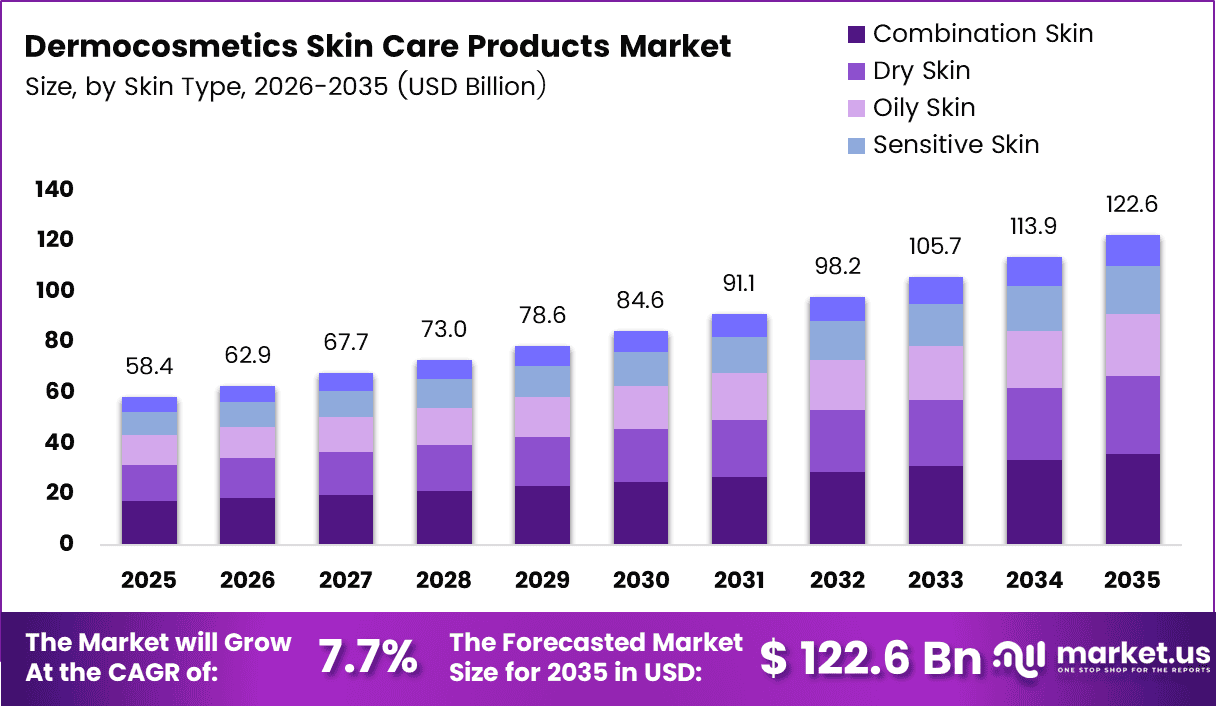
The global Dermocosmetics Skin Care Products Market is projected to reach USD 122.6 billion by 2035. This represents significant growth from USD 58.4 billion in 2025. Consequently, the market will expand at a compound annual growth rate (CAGR) of 7.7% during the forecast period from 2026 to 2035. Dermocosmetics represent a specialized category bridging cosmetic and pharmaceutical applications.
These clinically validated formulations address specific dermatological concerns while providing cosmetic benefits. Moreover, manufacturers develop these products with dermatologist input and rigorous testing protocols. They ensure safety and efficacy for various skin conditions including acne and eczema. Therefore, dermocosmetics differ fundamentally from conventional beauty products through their medical-grade standards.
Data-Driven Insights for Smarter Business Decisions: Explore the Full Report
Healthcare professionals increasingly recommend dermocosmetics as complementary treatments alongside prescription medications. Consequently, these products have established strong presence in pharmacy and medical channels. The medical endorsement factor differentiates dermocosmetics from traditional cosmetics significantly. Additionally, this professional validation builds consumer trust and justifies premium pricing in competitive markets.
Government regulations supporting clinical validation and quality standards strengthen market credibility further. Moreover, companies continue investing in research and development to drive product innovation. Manufacturers focus on microbiome-friendly ingredients and personalized formulations. These advanced products address individual skin concerns more effectively than conventional skincare alternatives available today.
Regulatory frameworks across major markets enable growth through standardized testing requirements. Specifically, the European Union’s cosmetic regulations mandate clinical evidence for therapeutic claims. Similarly, FDA guidelines for over-the-counter dermatological products create clear pathways. Therefore, manufacturers benefit from structured approval processes that reward scientific validation and quality manufacturing practices.
According to Unilever, the global dermocosmetics segment is currently worth €8 billion. This represents 24% of the total skincare market with growth rates at 10.5%. Industry forecasts suggest dermocosmetics could represent 38% of skincare sales by 2030. However, market penetration remains limited in certain categories like hair care, which represents just 5-6% versus 20% in beauty.
Key Takeaways
- Global Dermocosmetics Skin Care Products Market projected to reach USD 122.6 Billion by 2035 from USD 58.4 Billion in 2025
- Market growing at CAGR of 7.7% during forecast period 2026-2035
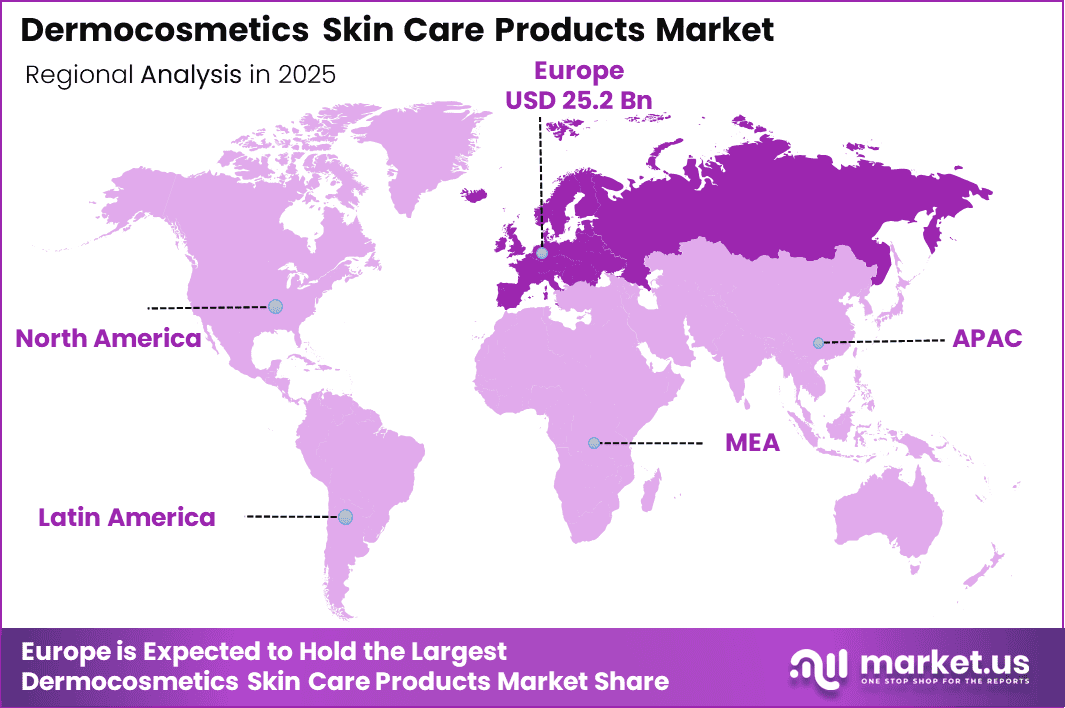
- Europe dominates market with 43.20% share, valued at USD 25.2 Billion
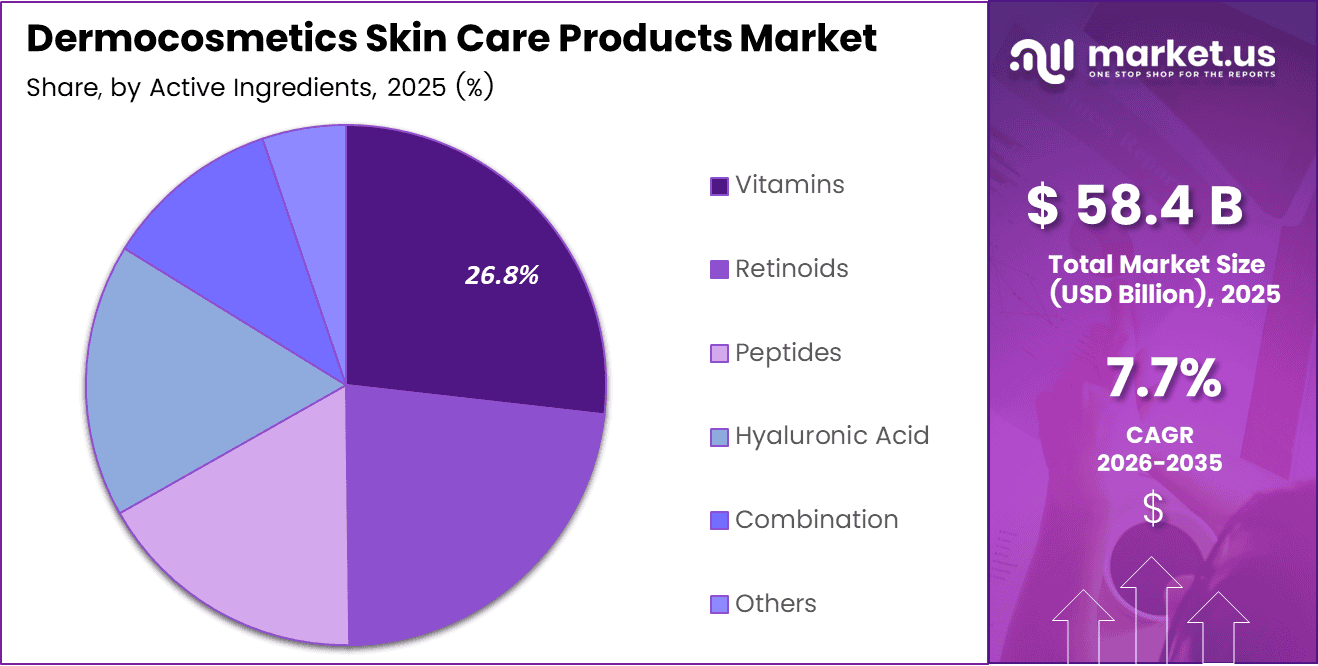
- Vitamins segment leads active ingredients category with 26.8% market share
- Combination skin type accounts for 29.3% of total market
- Anti-aging application dominates with 33.6% share
- Pharmacy & Drug Stores distribution channel holds 39.1% market position
- Dermocosmetics segment currently represents 24% of global skincare market worth €8 billion
Market Segmentation Overview
In 2025, Vitamins held a dominant market position in the Active Ingredients segment with a 26.8% share. Vitamin-based formulations deliver essential nutrients that support skin barrier function and cellular regeneration. Moreover, vitamins C and E provide powerful antioxidant benefits combating environmental damage and premature aging. Therefore, manufacturers prioritize vitamin-enriched formulations in their product development pipelines.
Retinoids maintain strong market presence as gold-standard ingredients for anti-aging and acne treatment. These vitamin A derivatives stimulate collagen production and accelerate cell turnover. However, prescription-strength variants require dermatological supervision, reinforcing medical credibility. Consequently, this professional oversight differentiates dermocosmetic retinoids from conventional retinol products available over the counter.
In 2025, Combination Skin held a dominant market position in the Skin Type segment with a 29.3% share. This skin type presents unique challenges requiring balanced formulations addressing both oily and dry areas. Therefore, dermocosmetic brands develop specialized products that normalize sebum production. Additionally, these formulations maintain adequate hydration levels without clogging pores or causing irritation.
In 2025, Anti-aging held a dominant market position in the Application segment with a 33.6% share. This category encompasses moisturizers, serums, and specialized treatments addressing wrinkles and firmness loss. Furthermore, aging populations worldwide drive sustained demand for clinically proven anti-aging solutions. Consequently, manufacturers continue innovating with peptides, retinoids, and growth factors targeting visible signs of aging.
In 2025, Pharmacy & Drug Stores held a dominant market position in the Distribution Channel segment with a 39.1% share. This channel provides consumers access to trained pharmacists offering product recommendations and usage guidance. Moreover, the medical setting reinforces dermocosmetic positioning as therapeutic skincare rather than conventional cosmetics. Therefore, pharmacy partnerships remain critical for brand credibility and consumer trust.
Drivers
Rising incidence of dermatological conditions drives clinical skincare adoption across global markets. Increasing skin problems like acne, eczema, rosacea, and dermatitis create growing demand for validated solutions. Moreover, environmental factors including pollution, UV exposure, and lifestyle stress contribute to rising concerns. Consequently, consumers actively seek products combining therapeutic efficacy with cosmetic benefits for daily use.
Healthcare professional recommendations significantly influence purchasing decisions for dermocosmetic products. Doctors increasingly recommend these formulations as complementary or preventive treatments alongside prescription medications. Additionally, consumer trust in dermatologist-endorsed brands strengthens brand loyalty and justifies premium pricing. Therefore, professional validation remains a primary driver differentiating dermocosmetics from mass-market alternatives effectively.
Use Cases
Acne-prone adolescents and adults use dermocosmetic cleansers and topical treatments for breakouts. These formulations contain salicylic acid, niacinamide, or benzoyl peroxide at clinically validated concentrations. Moreover, patients combine these products with prescription medications for enhanced therapeutic outcomes. Consequently, dermatologists frequently recommend dermocosmetic regimens as first-line interventions for mild to moderate acne vulgaris.
Mature consumers apply anti-aging dermocosmetics containing retinoids and peptides to reduce visible wrinkles. These products stimulate collagen production and accelerate cellular turnover without prescription requirements. Additionally, users incorporate vitamin C serums for antioxidant protection against environmental damage. Therefore, daily dermocosmetic routines provide clinically proven alternatives to invasive cosmetic procedures for aging concerns.
Major Challenges
Premium pricing strategies position dermocosmetics significantly above mass-market cosmetic alternatives. Clinical development, testing, and quality assurance requirements increase production costs substantially. Moreover, many consumers perceive dermocosmetics as luxury products rather than essential skincare. Consequently, this cost barrier limits market penetration particularly in emerging economies with lower disposable incomes.
Regulatory complexity across different regions creates substantial barriers for market entry and expansion. Varying regulatory standards between countries necessitate multiple testing protocols and certifications. Furthermore, these compliance requirements extend product development timelines and increase operational costs significantly. Therefore, smaller brands face challenges competing against established players with resources for navigating complex regulatory landscapes.
Business Opportunities
Expanding demand for condition-specific treatments targeting acne, rosacea, and eczema creates specialized market opportunities. Consumers increasingly seek targeted solutions rather than generic skincare products for their specific concerns. This trend drives product innovation and segmentation within the dermocosmetic category. Consequently, brands developing comprehensive treatment systems for specific conditions capture significant market share growth potential.
Expansion of men’s dermocosmetic skincare and gender-neutral formulations opens untapped market segments. Changing social attitudes reduce stigma around male grooming and skincare routines worldwide. Moreover, men increasingly recognize skin health importance, driving demand for clinically effective products. Therefore, brands targeting male consumers and developing inclusive gender-neutral products capture emerging opportunities within expanding demographic markets.
Regional Analysis
Europe maintains market leadership with a 43.20% share valued at USD 25.2 billion through strong pharmaceutical infrastructure. Stringent quality regulations and clinical validation requirements reinforce consumer confidence in European brands. Moreover, countries like France and Germany house major dermocosmetic manufacturers with extensive research capabilities. Consequently, European consumers demonstrate high awareness and preference for dermatologically tested products recommended by healthcare professionals.
Asia Pacific demonstrates fastest growth potential fueled by urbanization, pollution, and expanding middle-class populations. Countries like China, Japan, and South Korea show strong consumer interest in innovative skincare technologies. Additionally, K-beauty influence drives demand for dermatologist-developed formulations with advanced ingredients. Therefore, increasing disposable incomes and digital commerce expansion facilitate rapid market penetration across diverse Southeast Asian markets.
Recent Developments
- December 2024 – L’Oréal Groupe acquired Korean skincare brand Dr.G, a dermatologist-founded company joining the Consumer Products Division, bolstering its dermocosmetic portfolio for international expansion.
- September 2024 – Global private equity healthcare specialist ARCHIMED acquired Group Laboratoire Rivadis, a leading player in baby and elderly skincare products, expanding presence in the Consumer Health sector.
Conclusion
The global dermocosmetics skin care products market continues its robust growth trajectory toward USD 122.6 billion by 2035. Rising dermatological conditions, professional endorsements, and consumer demand for clinically validated solutions drive this expansion. Moreover, regulatory support for quality standards and increasing research investments accelerate product innovation across all segments and regions.
Europe currently leads with 43.20% market share, while Asia Pacific emerges as the fastest-growing region. The vitamins segment dominates active ingredients at 26.8%, and anti-aging applications lead with 33.6%. Additionally, pharmacy channels remain the primary distribution pathway at 39.1%, reinforcing the medical positioning of these specialized products.
Companies must balance premium clinical positioning with accessibility strategies to capture growth opportunities. Developing condition-specific treatments and expanding into men’s skincare segments offers significant potential. Furthermore, navigating regulatory complexity while investing in digital personalization will determine competitive advantage. Consequently, the market will reach USD 122.6 billion by 2035 as dermocosmetics reshape global skincare standards.
Looking for data tailored to your specific market, region, or business need? Request a custom report or consultation — write to us at sales@market.us
Discuss your needs with our analyst
Please share your requirements with more details so our analyst can check if they can solve your problem(s)